
The Enduring Power of "E Pluribus Unum"
In the grand narrative of the United States, few phrases resonate as deeply or as enduringly as "E Pluribus Unum." This Latin motto, translating to "Out of Many, One," has served as the nation's unofficial creed since its inception. Its E Pluribus Unum meaning history is inextricably linked to the very founding of the country, representing the ambitious idea of bringing thirteen disparate colonies together into a single, unified nation. As we approach America's Semiquincentennial — its 250th anniversary in 2026 — it's a fitting moment to reflect on the profound significance of this phrase and how it continues to shape our national identity. The spirit of "E Pluribus Unum" is what we celebrate at EST 1776, offering designs that honor this rich heritage.
The journey to adopting "E Pluribus Unum" was not immediate, but its roots run deep into the colonial experience. The idea of unity from diversity was a practical necessity for the fledgling nation. Imagine the challenge: colonies with distinct economies, cultures, and even governance structures, suddenly needing to act as one to declare independence and then forge a lasting union. The motto captured this monumental task, a constant reminder of the shared purpose that transcended regional differences. It’s a sentiment that has echoed through centuries, from the revolutionary fervor of 1776 to the complex tapestry of modern America.
A Motto Born of Necessity
The story of "E Pluribus Unum" officially begins in 1776, when the Continental Congress appointed a committee to design a Great Seal for the new United States. This committee, which included Benjamin Franklin, Thomas Jefferson, and John Adams, considered various designs and mottos. While "E Pluribus Unum" was not the first choice, it eventually found its place on the reverse side of the Great Seal, officially adopted in 1782. Its inclusion was no accident; it was a deliberate articulation of the American experiment itself. The founders understood that for this new nation to survive and thrive, its citizens must see themselves as part of a larger whole, bound by common ideals and a shared destiny.
The visual representation of this unity on the Great Seal itself is telling. The eagle, a symbol of strength and freedom, clutches an olive branch (representing peace) in one talon and arrows in the other (representing war). Above its head, a constellation of stars represents the states, all united under a single banner. This imagery powerfully reinforces the "Out of Many, One" concept, illustrating that the nation's strength comes from its unified, yet diverse, components. This foundational symbolism continues to inspire, much like the historical designs we feature in our heritage collection.
The Challenge of Unity: Then and Now
Throughout American history, the ideal of "E Pluribus Unum" has been tested. The Civil War, perhaps the most profound internal conflict, pitted state against state, brother against brother, challenging the very notion of "one nation." Yet, the nation endured, and the motto's relevance only grew. It serves as a constant aspiration, a reminder that unity is not a given, but something that must be continually nurtured and reinforced.
In our modern era, the challenges to unity have evolved but remain significant. Debates over identity, rights, and the direction of the country can sometimes feel divisive. However, the enduring power of "E Pluribus Unum" lies in its timeless message: that despite our differences, we are fundamentally bound together. It calls us to find common ground, to respect diverse perspectives, and to recognize that our collective strength is greater than the sum of our parts. This is the spirit we aim to capture with our commemorative apparel, celebrating the 250 years of this ongoing experiment.
"E Pluribus Unum" in Commemoration
As America gears up for its 250th anniversary on July 4th, 2026, the motto "E Pluribus Unum" takes on renewed significance. This Semiquincentennial is not just a date on a calendar; it's a moment to reflect on the 250 years of history, struggle, progress, and resilience that have shaped the nation. It’s a time to celebrate the diverse peoples, cultures, and ideas that have contributed to the American story. The phrase "E Pluribus Unum" is a perfect anchor for this celebration, reminding us of the foundational principle that brought us together.
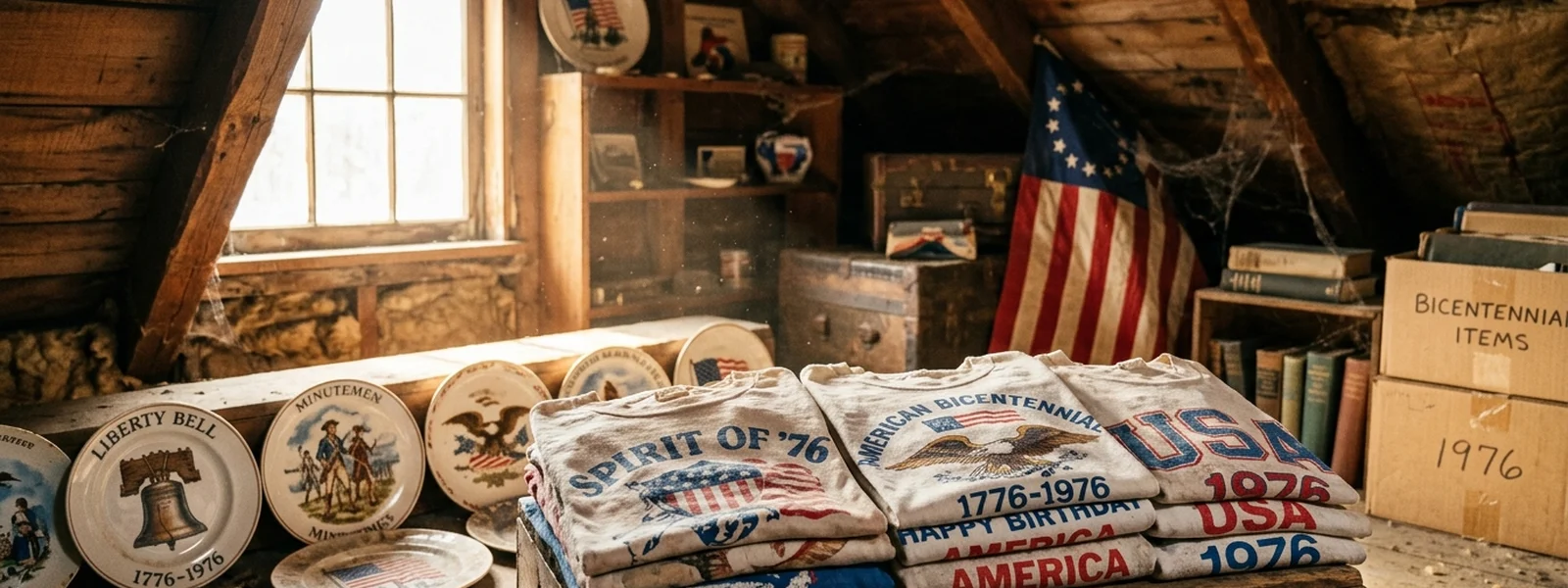
At EST 1776, we believe that commemorating such a monumental occasion calls for more than just fleeting party favors. We create keepsake apparel designed to be treasured, much like the merchandise from the Bicentennial in 1976 that people still cherish today. Our designs, such as the "E Pluribus Unum 250" shirt, are crafted to honor the historical weight of this motto and the milestone it represents. These aren't just shirts; they're wearable pieces of history, tangible reminders of your participation in this once-in-a-lifetime celebration.
Beyond the Motto: A Deeper Look
The concept encapsulated by "E Pluribus Unum" extends far beyond a simple slogan. It speaks to the ongoing process of nation-building, the dynamic interplay between individual liberty and collective responsibility. It acknowledges that unity does not require uniformity, but rather a shared commitment to the principles of freedom, justice, and democracy. This is why understanding the E Pluribus Unum meaning history is so vital for appreciating the American journey.
Consider the historical context: The colonies were not monolithic. They had different religious backgrounds, economic interests, and political leanings. Yet, they found common cause in the pursuit of independence. This ability to unite for a greater purpose, despite internal differences, is the very essence of "E Pluribus Unum." It's a testament to the vision of the founders and the enduring spirit of the American people. Exploring the early days of the nation, as in articles like The Boston Tea Party to Independence: America Before 1776, helps us appreciate the immense challenge of forging unity from such diverse origins.
Celebrating 250 Years of "One Nation"
As July 4th, 2026, approaches, communities across the country will host celebrations, parades, and fireworks displays. These events are opportunities to come together, to celebrate our shared heritage, and to reaffirm our commitment to the ideals that "E Pluribus Unum" represents. Whether you're attending a local festival or a major city event, wearing commemorative apparel can be a way to feel connected to the moment and to the larger story of America.
Our collection features designs that honor the historical significance of this anniversary. For those who appreciate the foundational elements of American identity, designs like the "Founding Fathers Silhouette" or the "Declaration of Independence Typography" offer a deeper connection to the past. For those who want to mark the specific milestone, the "250th Anniversary Official Commemorative" or the "Independence Day 250: The Milestone" shirts are perfect choices. Each piece is designed to be a keepsake, a reminder of the historic 250th celebration. We also offer designs that echo the visual language of the past, such as those inspired by historical flags, reminiscent of how the American flag looked in 1776, as detailed in our article What the American Flag Looked Like in 1776.
The Future of "E Pluribus Unum"
Looking ahead, the motto "E Pluribus Unum" remains as relevant as ever. It is a call to action, urging us to continue the work of building a more perfect union. It reminds us that diversity is not a weakness, but a source of strength and innovation. The challenges of the next 250 years will undoubtedly be different from those of the past, but the fundamental principle of unity derived from multiplicity will remain a guiding force.
The 250th anniversary is a pivotal moment—a chance to reflect on where we've been and to look forward with renewed purpose. It’s an invitation to engage with our history, to celebrate our shared identity, and to recommit to the ideals that have made America unique. "E Pluribus Unum" is more than just a motto; it's the ongoing story of a nation striving to live up to its founding promise. We invite you to wear this history, to keep the memory alive, and to celebrate this incredible milestone with us.
Frequently Asked Questions About "E Pluribus Unum"
- What is the literal translation of "E Pluribus Unum"?
The Latin phrase "E Pluribus Unum" translates directly to "Out of Many, One." This simple yet profound statement has served as a foundational motto for the United States, symbolizing the unification of disparate states into a single nation. - When was "E Pluribus Unum" officially adopted?
While the concept was present from the nation's early days, "E Pluribus Unum" was officially adopted by the Continental Congress as part of the Great Seal of the United States on June 20, 1782. It has been a key element of American identity ever since. - Why is "E Pluribus Unum" significant for the 250th anniversary?
The motto is particularly relevant for the 250th anniversary because it encapsulates the core challenge and achievement of the United States: forging a unified nation from diverse colonies and peoples. It represents the ongoing experiment of American unity and is a fitting theme for celebrating 250 years of independence. - Did "E Pluribus Unum" appear on early American currency?
Yes, "E Pluribus Unum" first appeared on the Great Seal in 1782 and subsequently began appearing on U.S. coins in the late 18th century. It became a standard feature on many U.S. coins, reinforcing the idea of national unity across the country. - How does "E Pluribus Unum" relate to the idea of American diversity?
The motto fundamentally embraces diversity as a strength. It acknowledges that the nation is composed of many different states, cultures, ethnicities, and individuals, and that their union creates a stronger, richer whole. It signifies that unity does not require uniformity. - What are some historical challenges to the ideal of "E Pluribus Unum"?
Throughout its history, the United States has faced significant challenges to its unity, most notably the Civil War. Other periods of intense social and political division have also tested the nation's ability to remain "one" from "many," highlighting that unity requires constant effort and commitment.

Published by EST 1776 Tees
Celebrating 250 Years of America
Frequently Asked Questions
What is the literal translation of "E Pluribus Unum"?
The Latin phrase "E Pluribus Unum" translates directly to "Out of Many, One." This simple yet profound statement has served as a foundational motto for the United States, symbolizing the unification of disparate states into a single nation.
When was "E Pluribus Unum" officially adopted?
While the concept was present from the nation's early days, "E Pluribus Unum" was officially adopted by the Continental Congress as part of the Great Seal of the United States on June 20, 1782. It has been a key element of American identity ever since.
Why is "E Pluribus Unum" significant for the 250th anniversary?
The motto is particularly relevant for the 250th anniversary because it encapsulates the core challenge and achievement of the United States: forging a unified nation from diverse colonies and peoples. It represents the ongoing experiment of American unity and is a fitting theme for celebrating 250 years of independence.
Did "E Pluribus Unum" appear on early American currency?
Yes, "E Pluribus Unum" first appeared on the Great Seal in 1782 and subsequently began appearing on U.S. coins in the late 18th century. It became a standard feature on many U.S. coins, reinforcing the idea of national unity across the country.
How does "E Pluribus Unum" relate to the idea of American diversity?
The motto fundamentally embraces diversity as a strength. It acknowledges that the nation is composed of many different states, cultures, ethnicities, and individuals, and that their union creates a stronger, richer whole. It signifies that unity does not require uniformity.
What are some historical challenges to the ideal of "E Pluribus Unum"?
Throughout its history, the United States has faced significant challenges to its unity, most notably the Civil War. Other periods of intense social and political division have also tested the nation's ability to remain "one" from "many," highlighting that unity requires constant effort and commitment.
First Access to New 250th Anniversary Designs
Get new heritage drops, celebration guides, and behind-the-scenes stories delivered before they go public.