
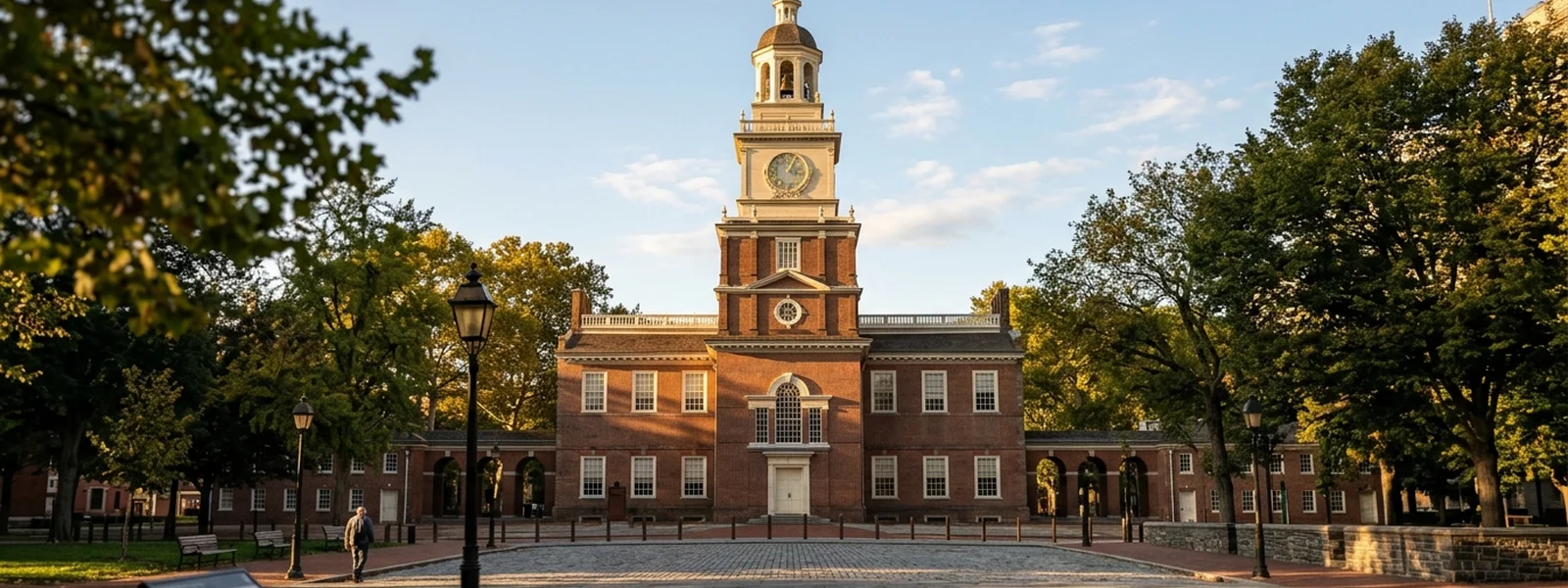
The Architects of a Nation: Understanding the Founding Fathers
As America gears up to celebrate its Semiquincentennial—250 years of independence—it's the perfect moment to look back at the individuals who laid the groundwork for this grand experiment. The founding fathers history is rich, complex, and utterly fascinating. These were not mythical figures, but real people with strong opinions, diverse backgrounds, and an unwavering commitment to forging a new nation. Understanding who they were, their motivations, and their debates is key to appreciating the enduring legacy they left behind. We built EST 1776 because the 250th anniversary only happens once. The Bicentennial in '76 created merchandise that people still treasure 50 years later — we wanted to make sure this generation has shirts worth keeping too. These aren't just shirts. They're time capsules.
Who Were the Founding Fathers?
The term "Founding Fathers" generally refers to the leaders who signed the Declaration of Independence in 1776 or the U.S. Constitution in 1787. However, it encompasses a broader group of statesmen, soldiers, diplomats, and thinkers who played crucial roles in the American Revolution and the early years of the United States. While figures like George Washington, Thomas Jefferson, Benjamin Franklin, John Adams, Alexander Hamilton, and James Madison are most frequently cited, many others contributed significantly to the nation's birth and survival.
These individuals came from varied walks of life. Some were wealthy landowners and lawyers, while others were merchants, farmers, or printers. Their common thread was a belief in self-governance and a desire to break free from British rule. They debated fiercely, drafted foundational documents, led armies, and navigated the treacherous waters of early American politics, all while building a nation from disparate colonies.
Key Figures and Their Contributions
Each Founding Father brought unique skills and perspectives to the table. Founding fathers history often highlights their most famous achievements, but their collective impact is what truly shaped America.
George Washington: The Indispensable Leader
Often called the "Father of His Country," George Washington's leadership was pivotal. As Commander-in-Chief of the Continental Army, his resilience and strategic acumen guided the colonies through the Revolutionary War. Later, as the first President, he set precedents for the office that continue to influence American governance today. His decision to step down after two terms established a peaceful transfer of power, a cornerstone of American democracy.
Thomas Jefferson: The Wordsmith of Independence
Thomas Jefferson, the principal author of the Declaration of Independence, articulated the ideals of liberty, equality, and self-evident truths that became the bedrock of American identity. His vision for an agrarian republic and his commitment to education and religious freedom left an indelible mark on the nation. His writings continue to inspire, reminding us of the aspirational nature of the American project.
Benjamin Franklin: The Renaissance Man
Benjamin Franklin was a true polymath—a writer, inventor, scientist, printer, diplomat, and statesman. His wit, wisdom, and pragmatism were invaluable during the Revolution and the Constitutional Convention. As a diplomat in France, he secured crucial foreign aid that helped secure victory. His practical approach to problem-solving and his belief in civic virtue embody a spirit of ingenuity.
John Adams: The Tireless Advocate
A passionate advocate for independence, John Adams was a driving force behind the Continental Congress's decision to declare separation from Britain. He served as a key diplomat in Europe and later as the second President of the United States. Adams was a complex figure, known for his intellect, his sometimes-cantankerous demeanor, and his deep commitment to republican principles. His writings offer profound insights into the challenges of establishing a new government.
Alexander Hamilton: The Architect of Finance
Alexander Hamilton, the first Secretary of the Treasury, was instrumental in establishing the nation's financial system. His bold plans for a national bank, assumption of state debts, and promotion of industry laid the foundation for American economic power. His vision for a strong federal government and a dynamic economy often put him at odds with figures like Jefferson, sparking debates that continue to resonate.
James Madison: The Father of the Constitution
James Madison is widely regarded as the "Father of the Constitution" for his intellectual leadership in drafting and advocating for the U.S. Constitution. His meticulous notes provide the most comprehensive record of the Constitutional Convention's debates. He also played a key role in drafting the Bill of Rights, ensuring the protection of individual liberties. His insights into government structure and the balance of power remain essential.
The Debates and Compromises
The path to independence and nationhood was far from smooth. The Founding Fathers engaged in vigorous debates over fundamental issues:
- Federalism vs. States' Rights: How much power should the central government have versus the individual states?
- Slavery: The most significant contradiction to the ideals of liberty, slavery was a deeply divisive issue that the founders struggled, and ultimately failed, to resolve definitively.
- Economic Policy: Debates raged over the role of government in the economy, from Hamilton's vision of industrial growth to Jefferson's preference for an agrarian society.
- Representation: How should states be represented in the legislature? The Great Compromise, which created a bicameral Congress, was a crucial agreement.
These compromises, though often imperfect, were essential for holding the new nation together. The founding fathers history is as much about their disagreements and the difficult choices they made as it is about their shared vision.
Legacy and Relevance Today
The ideas and documents produced by the Founding Fathers—the Declaration of Independence, the Constitution, the Bill of Rights—continue to shape American society and inspire democratic movements around the world. The principles of liberty, equality, and self-governance they championed are still debated and reinterpreted in the context of modern challenges.
As we approach America's 250th anniversary in 2026, understanding the founding fathers history helps us appreciate the long and complex journey of the United States. It allows us to celebrate the monumental achievements while also confronting the nation's shortcomings and ongoing struggles to live up to its founding ideals. The spirit of debate and the pursuit of a "more perfect union" are legacies that are still very much alive.
Commemorating the Milestone
The Semiquincentennial is a once-in-a-lifetime event, a chance to reflect on 250 years of American history. Merchandise from past celebrations, like the 1976 Bicentennial, is still treasured today. We believe in creating those kinds of lasting keepsakes for this generation.
From heritage designs rooted in historical accuracy to celebratory pieces marking the occasion, EST 1776 offers apparel that tells a story. Whether you're a history buff, an event attendee, or simply someone proud of this nation's journey, our collection provides a way to wear the history and keep the memory alive. Explore designs that honor the founders and the enduring spirit of America.
For more on how Americans have celebrated major milestones, check out The 1976 Bicentennial: How America Celebrated 200 Years. And if you're curious about the exact age of the nation, read How Old Is America in 2026? The Complete History.

Published by EST 1776 Tees
Celebrating 250 Years of America
Frequently Asked Questions
Who is generally considered a Founding Father?
The term "Founding Fathers" typically includes the signers of the Declaration of Independence and the U.S. Constitution. Key figures often mentioned are George Washington, Thomas Jefferson, Benjamin Franklin, John Adams, Alexander Hamilton, and James Madison, among others who played significant roles in the Revolution and early republic.
What were the major debates among the Founding Fathers?
The Founding Fathers engaged in significant debates on topics such as the balance of power between the federal government and states, the issue of slavery, economic policies, and the structure of representation in government. These discussions led to crucial compromises that shaped the nation.
What is the legacy of the Founding Fathers today?
The legacy of the Founding Fathers lies in the foundational documents they created—the Declaration of Independence, the Constitution, and the Bill of Rights. Their ideals of liberty, equality, and self-governance continue to influence American society and democratic principles worldwide.
Were all Founding Fathers in agreement?
No, the Founding Fathers often had profound disagreements on critical issues. Figures like Hamilton and Jefferson, for example, had vastly different visions for the country's economic and governmental structure. Their debates highlight the complex and often contentious process of nation-building.
Why is it important to study Founding Fathers history?
Studying the history of the Founding Fathers provides essential context for understanding the origins and evolution of American government and ideals. It helps us appreciate the challenges they faced, the compromises they made, and the enduring principles that continue to shape the nation.
How did slavery impact the Founding Fathers' era?
Slavery was a deeply embedded institution and a profound contradiction to the ideals of liberty espoused by many Founding Fathers. It was a major point of contention and compromise during the nation's founding, with its unresolved issues leading to future conflict.
First Access to New 250th Anniversary Designs
Get new heritage drops, celebration guides, and behind-the-scenes stories delivered before they go public.